London Economic
The London Economic is one of the UK’s most prominent independent digital newspapers, published without a paywall and operated without the backing of billionaire proprietors or major media conglomerates. Founded in 2013 in London, it has grown from a political blog into a fully operational digital news organisation covering breaking news, politics, business, culture, sport, travel, food, and lifestyle.
For readers who encounter The London Economic for the first time, whether through a shared social media article, a Google search, or a recommendation from a friend, a natural first question is: what exactly is this publication, and how does it fit into the UK media landscape? This article answers that question directly.
What Is The London Economic?
The London Economic, commonly abbreviated as TLE, is a digital newspaper based in London. It operates from International House, 24 Holborn Viaduct, London EC1A 2BN, and is registered in England as The London Economic Newspaper Limited, company number 09221879.
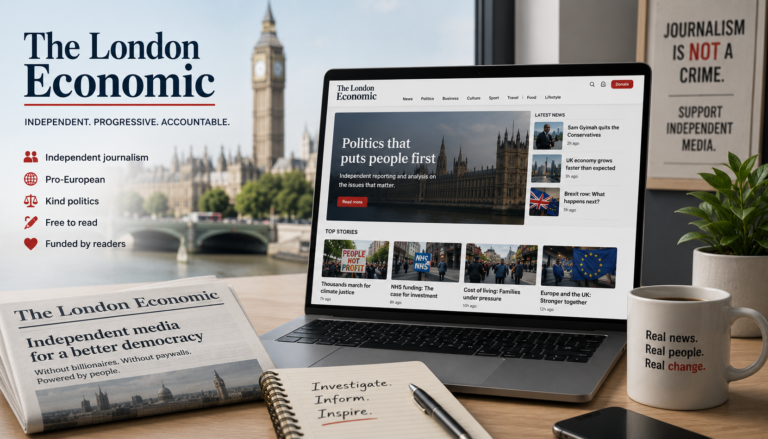
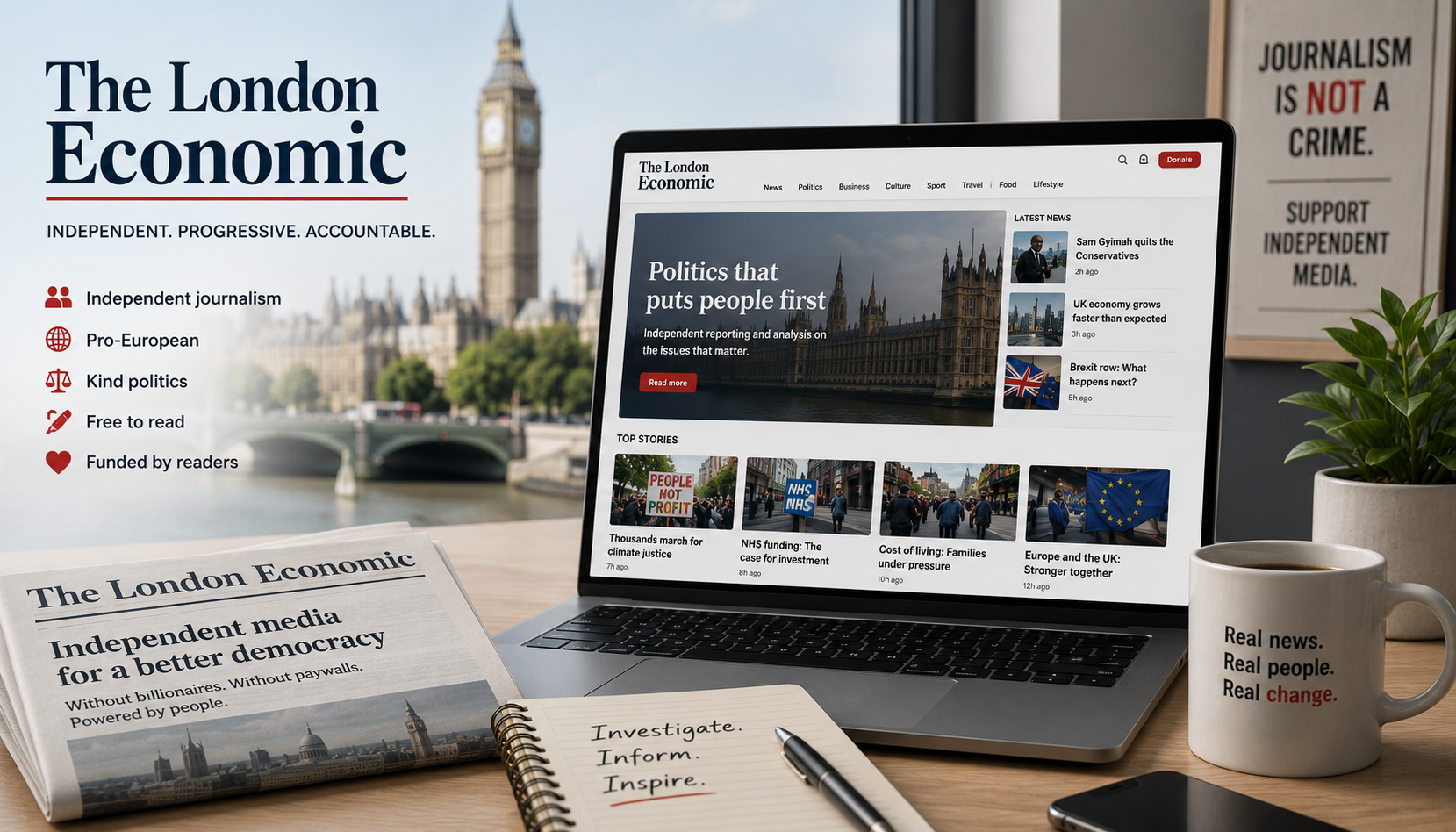
The publication describes itself as a digital newspaper with a metropolitan mindset, supporting liberal, progressive, pro-European and pro-business viewpoints. It advocates kinder, more compassionate politics and aims to counter what it characterises as the spread of far-right rhetoric dominating the mainstream media.
The publication is free to access. It does not charge for content or place articles behind a paywall, and relies on reader donations to fund its journalism. This model positions it alongside other independent UK digital-first publishers rather than the subscription-gated model adopted by titles such as The Times or The Telegraph.
The History of The London Economic
Foundation and Early Years
The London Economic was founded on 13 August 2013 as an online newspaper, created to offer a genuine alternative to the mainstream press at a time when independent publishers were less common than they are today.
It was founded by Jack Peat and Joe Mellor as a blog sharing platform for likeminded journalists and bloggers. After growing the number of contributors, readership, and social media reach in the early years, the publication branched out to include property, food, sport, film, music, travel, and lifestyle pages, edited on a voluntary basis by a team of sub-editors.
The founding impulse was explicitly political. Jack Peat, who serves as editor, has described the publication’s origins as a response to what he and his co-founder saw as the disproportionate political influence of large, proprietor-owned UK newspaper groups in shaping public opinion.
The 2017 Breakthrough
The London Economic rose to national prominence during the 2017 United Kingdom general election when it ran the most-shared political story on social media for that entire election cycle. That achievement placed a relatively young independent digital outlet in competition with and, in terms of social reach, ahead of titles with considerably greater resources and longer histories.
In 2017, TLE was among the most shared publications in Britain, with the most-read news story of that year’s general election. This moment established the publication’s credentials as a genuine force in UK digital journalism rather than a niche political blog.
Growth and Ownership
The publication subsequently expanded its editorial scope and staffing. The London Economic is part of the JOE Media Group family, though the directors maintain editorial control of all content. It is owned by Greencastle Capital Limited, with Jack Peat serving as editor.
The question of ownership transparency is one that has been raised in external commentary. A 2020 piece in Evolve Politics noted concerns about the involvement of a venture capital firm. The London Economic has continued to assert editorial independence from its commercial ownership structure, a distinction that matters considerably in UK media governance where the separation of editorial and commercial functions is a fundamental journalistic standard.
Editorial Stance and Values
The London Economic is not a politically neutral publication and does not claim to be. Its editorial values are clearly stated and worth understanding directly rather than inferring from coverage.
The publication supports:
- Progressive politics: Broadly left-of-centre domestic political positions, with a particular emphasis on economic fairness, public services, and social justice.
- Pro-European policy: Consistent support for closer UK-EU relationships and, historically, opposition to Brexit.
- Pro-business values: A commitment to economic growth and business-friendly policy framed within a progressive rather than laissez-faire tradition.
- Independent journalism: Explicit commitment to investigative reporting and holding powerful institutions and individuals to account.
The publication advocates kinder, more compassionate politics and aims to counter the spread of far-right rhetoric that it characterises as dominating mainstream media.
This clarity of editorial position is worth noting. In UK media, the distinction between publications that are honest about their editorial perspective and those that claim neutrality while pursuing a clear agenda is meaningful. The London Economic belongs firmly in the former category: its values are declared, its biases are transparent, and readers know what they are getting.
What The London Economic Covers
The publication operates across several distinct editorial sections:
Politics and Breaking News
Politics is the publication’s core editorial territory. Coverage spans Westminster, Whitehall, devolved governments in Scotland, Wales, and Northern Ireland, and international political developments with relevance to UK readers. Breaking news is a significant part of the daily output.
The London Economic often reports on breaking news stories or complex unfolding situations. It does its utmost to ensure all information is accurate and verified. In breaking news, reports can sometimes change as new information comes forward.
The publication follows a corrections policy recommended by NewsGuard, a company that independently rates news sources for credibility and transparency. Following advice from NewsGuard, all corrections are marked at the end of each article, helping inform the reader about how information was changed. Depending on the situation, this may be called a correction, update, or editor’s note. This is a meaningful transparency standard that many larger publications do not consistently apply.
Business and Economics
Despite its name, The London Economic is not exclusively or primarily a financial or economics publication. Business coverage sits alongside political journalism, focusing on UK economic policy, consumer finance, employment, housing, and issues affecting working people and businesses. The economics lens is applied to political stories as much as to purely business topics.
Culture, Lifestyle, and Sport
The publication has branched out to include property, food, sport, film, music, travel, and lifestyle pages. These sections are edited by specialist sub-editors and provide a fuller editorial offer than pure political commentary, helping the publication serve readers across their broader interests rather than only their news consumption.
How The London Economic Is Funded
Understanding how any publication is funded is essential to evaluating its journalism and potential conflicts of interest.
The London Economic uses a combination of:
- Reader donations: The primary appeal to its audience is to donate what they can afford in support of independent journalism. This crowdfunding element gives the publication a direct financial relationship with its readers.
- Digital advertising: Standard programmatic and direct advertising, which is the default revenue model for free-access digital publishers.
- Commercial content: Like most digital publications, TLE includes some commercially produced content alongside its editorial output.
The publication does not charge for content or place articles behind a paywall, and explicitly asks readers who can afford to do so to donate to help keep TLE growing and support real, independent, investigative journalism.
The absence of a paywall has both advantages and limitations. It means the publication is accessible to every reader regardless of income, which aligns with the egalitarian values it espouses. It also means the publication is structurally dependent on advertising revenue and donations, which creates pressures that subscription-funded publications do not face to the same degree.
The London Economic in the Context of UK Digital Media
The UK independent digital media sector has expanded considerably since 2013, when The London Economic launched. Publications including The Canary, Byline Times, Novara Media, and openDemocracy occupy broadly similar territory in the progressive independent digital media space, each with distinct editorial emphases and funding models.
Within this landscape, The London Economic’s combination of metropolitan focus, mainstream news coverage (rather than purely opinion and analysis), lifestyle and culture sections, and donor-supported free access model distinguishes it from narrower-focus publications.
The broader trend toward independent digital publishing in the UK reflects a documented shift in where audiences, particularly younger adults, consume news. The Reuters Institute Digital News Report, produced annually by the Reuters Institute for the Study of Journalism at the University of Oxford, has consistently found that younger UK audiences are less likely to access news via traditional print brands and more likely to encounter it through social media sharing, search, and recommendation, precisely the channels where publications like TLE have built their audiences.
Key Takeaways
- The London Economic is a UK digital newspaper founded on 13 August 2013 by Jack Peat and Joe Mellor, based in London and operating without a paywall.
- It is part of the JOE Media Group family and owned by Greencastle Capital Limited, with editorial independence maintained by its director and editor Jack Peat.
- The publication has a clearly declared progressive, pro-European, pro-business editorial stance and does not claim political neutrality.
- It rose to national prominence in 2017 as the most-shared UK publication during that year’s general election.
- Funding comes from reader donations, digital advertising, and commercial content, with the publication explicitly appealing for donor support.
- It follows a corrections policy aligned with NewsGuard standards, marking all post-publication changes transparently at the end of articles.
Frequently Asked Questions
What is The London Economic? The London Economic (TLE) is a free-access UK digital newspaper founded in London in 2013. It covers politics, business, breaking news, culture, sport, travel, food, and lifestyle from a progressive, pro-European editorial perspective.
Who founded The London Economic? The London Economic was founded by Jack Peat and Joe Mellor on 13 August 2013. Jack Peat continues to serve as editor and director of the publication.
Is The London Economic free to read? Yes. The London Economic does not charge for articles or operate a paywall. All content is freely accessible, and the publication invites readers who can afford to do so to make voluntary donations.
Is The London Economic biased? The publication is transparent about its editorial values, which are broadly progressive, pro-European, and pro-business. It does not claim political neutrality. Readers should factor this declared editorial perspective into how they use the publication as a news source, as they would with any publication that has an evident editorial line.
Who owns The London Economic? The London Economic Newspaper Limited is owned by Greencastle Capital Limited and is part of the JOE Media Group family. Editorial control is maintained by Jack Peat as director and editor.
Where is The London Economic based? The publication is registered at International House, 24 Holborn Viaduct, London EC1A 2BN, United Kingdom, and operates as a fully digital publication without a print edition.
How does The London Economic make money? Revenue comes from a combination of reader donations, digital advertising, and commercial content partnerships. The publication explicitly asks readers to donate what they can afford to support its journalism.
Does The London Economic have a corrections policy? Yes. Following guidance from NewsGuard, TLE marks all corrections, updates, and editor’s notes at the end of affected articles, clearly indicating what information was changed and why.
Conclusion
The London Economic occupies a distinctive and clearly defined position in the UK media landscape. It is a free-access, progressive, independently edited digital newspaper that built its audience through political engagement, social sharing, and a commitment to journalism it characterises as an alternative to proprietor-driven mainstream media.
Its 2017 breakthrough moment demonstrated that independent digital publishers operating without the infrastructure of large media groups can achieve genuine national reach and influence. The publication has since broadened its editorial scope while maintaining the core identity that drove that growth.
For readers, the practical implications are clear. TLE is a useful source of UK political news and progressive commentary, transparently positioned rather than falsely neutral, free to access, and operating under a corrections standard that compares favourably with many larger publications. Its limitations, primarily its declared political perspective and the structural pressures of advertiser-dependent, donation-reliant funding, are knowable in advance and should inform how any thoughtful reader weighs its output alongside other sources.
About the Author